
คำนิยมจากนักวิชาการ
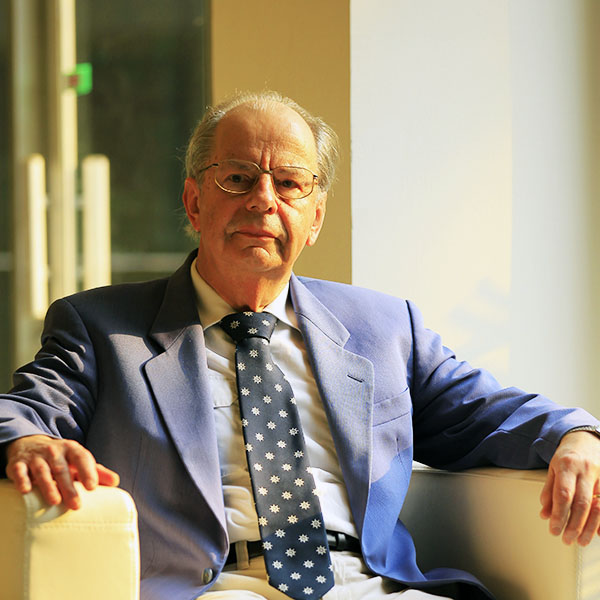
The importance of the Pali tradition is, of course, that it is one of the oldest sources of Buddhism. In contrast to Gandhari which has come down to us in a fragmentary state, we have the complete canon in Pali, the only complete canon we have. So, Pali is interesting from this perspective, and it is also linguistically very interesting. Because in many points, you can go back very deep into the past. You can see the high age of the Pali sources in certain linguistic features not shared by any other Buddhist tradition. It is a very courageous enterprise because it is a huge task to edit and complete the canon critically. But luckily, as far as we have seen, these are a lot of human resources available to deal with the manuscripts, which is quite impressive. So, I can wish them every success. Because if this project succeeds, and I have no doubt in that, then we will have a very good critical edition of the canon.
(กุมภาพันธ์ พ.ศ. 2556)
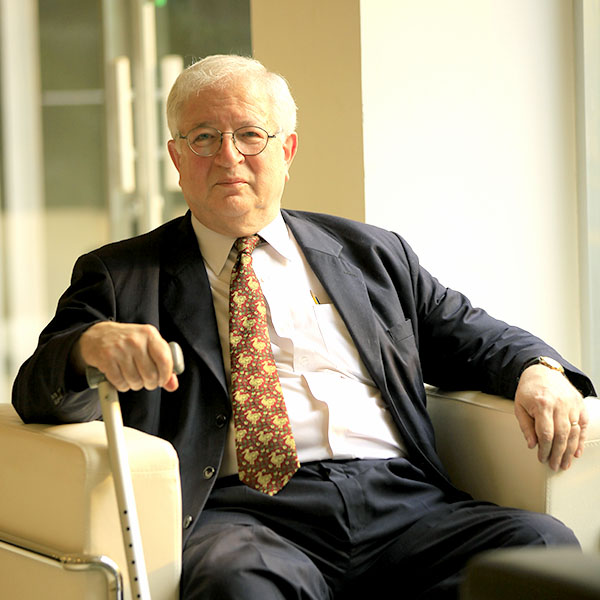
The Pali Canon is indisputably one of the greatest records to survive from the early years of human civilization and systematic thought. It is therefore amazing, and sad, that so little work has been done, using the resources of modern scholarship, to try to establish a reliable text. The size of the task is daunting, but Wat Phra Dhammakaya deserves our thanks and congratulations for financing and organizing this project which should prove to be a milestone in the history of Buddhism.
(กุมภาพันธ์ พ.ศ. 2556)

One of the first things that has struck me about the project is the great variety and great range of manuscripts that have been employed and looked at in terms of setting the project up. The number of manuscripts and the range of them is very important. To have the manuscripts in Khom script, Tham script, in Burmese script, and in Sinhalese script in the numbers that have been consulted for this project is unprecedented.
(กุมภาพันธ์ พ.ศ. 2556)
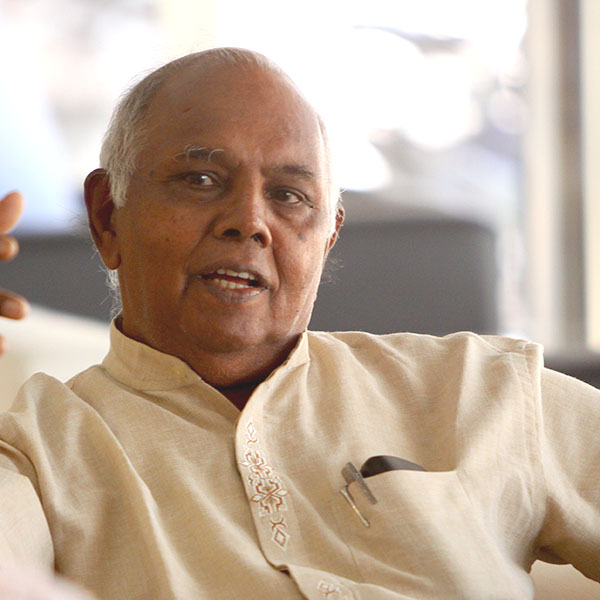
I am looking as a Buddhist. I think this is very important because up to now we have been studying our 4 traditions separately, Burmese, Lanna, Thai, and Sinhalese. Now by this Project all these 4 traditions have been brought together into one tradition. What I find is it is very important to see that the Buddhavacana or the words of the Buddha have remained almost in a unique way preserving in these manuscripts. That thing has not been clearly shown before this. So now we know data of so many traditions, the words of the Buddha, the canonical things. There is a lot of similarity and very little change, actually. It is about 99 percent the same. It is 1 percent they may be different, so that difference is negligible. And it is good that we are building up a great tradition, on the basis of the study of the Theravada tradition especially being done here. And because lot of energy of many scholars coming from different traditions and also coming from European traditions also is put in there.
(กุมภาพันธ์ พ.ศ. 2556)

The Dhammachai Tipiṭaka Project, apart from making the edition of the Pali Canon, is making digital images of all the manuscripts available. This is happening elsewhere in Laos and in Sri Lanka also. Preserving those manuscripts is an incredibly valuable thing. Making them available for scholars to work on will encourage the study of that material.
(กุมภาพันธ์ พ.ศ. 2556)

今回のダンマチャイ・ティピタカプロジェックトは、本当によく出来ていると思いました。 最初に出された第一版と、それから今回改定された第二版、その進歩に、心から驚きました。 今、考えられるパリーのテキストの校訂のレベルとして、私は最高のレベルに達していると思います。
(กุมภาพันธ์ พ.ศ. 2556)
คณะที่ปรึกษากิตติมศักดิ์
เกี่ยวกับโครงการ
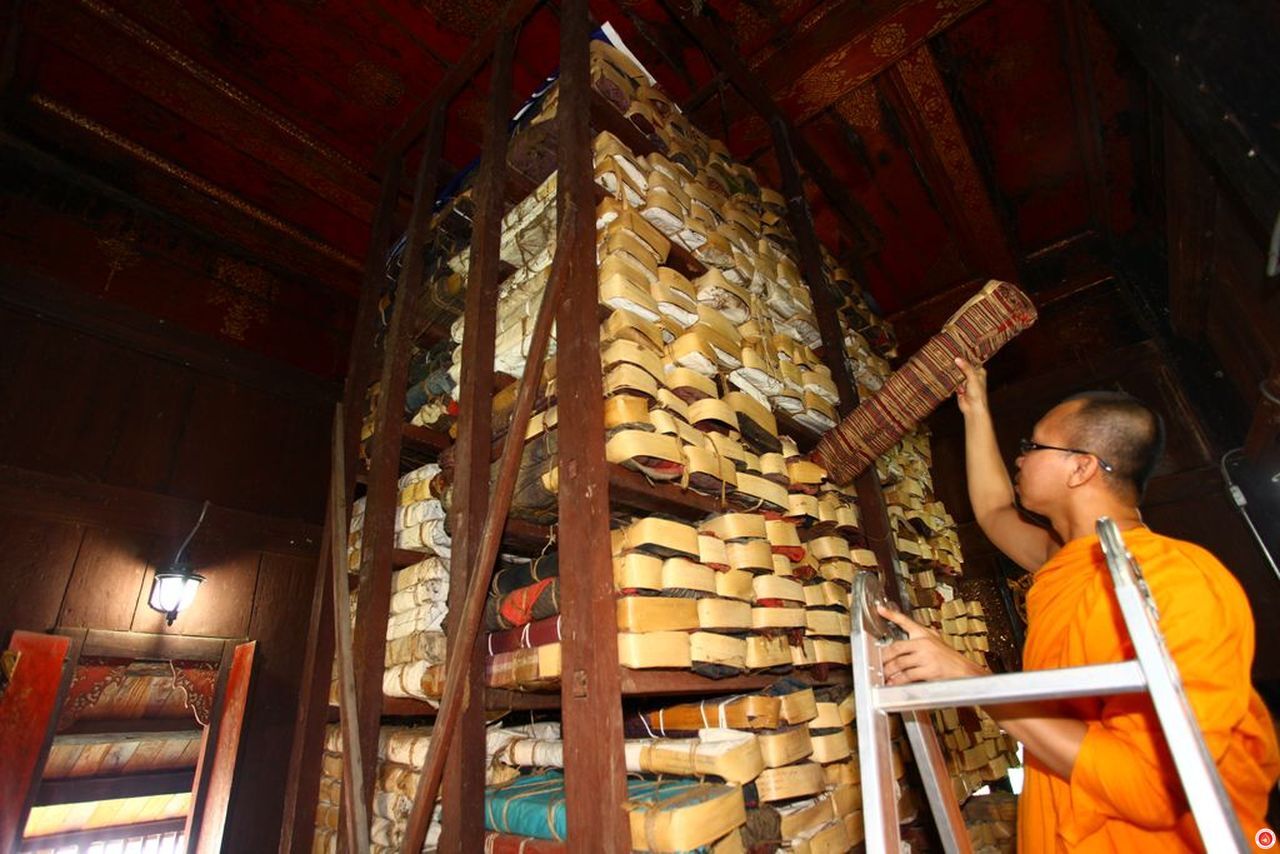
แม้ว่าพระสัมมาสัมพุทธเจ้าจะเสด็จดับขันธปรินิพพานมาแล้วกว่า 2,600 ปี แต่สัจธรรมอันเป็นอมตะที่ปรากฏในพระธรรมคำสอนของพระองค์ยังคงมีคุณค่าและเป็นแนวทางแก่ชาวโลกสืบมาจนถึงปัจจุบัน เหล่าพุทธสาวกตั้งแต่ครั้งพุทธกาลได้ธำรงรักษาและถ่ายทอดพระธรรมวินัยผ่านวิธีมุขปาฐะ หรือการท่องจำและสวดสาธยายด้วยวาจา ประเพณีดังกล่าวดำรงอยู่อย่างต่อเนื่องเป็นเวลาหลายศตวรรษ จนกระทั่งประมาณ พ.ศ. 400 ในรัชสมัยของพระเจ้าวัฏฏคามณีอภัย กษัตริย์ผู้ทรงเลื่อมใสในพระพุทธศาสนาแห่งลังกาทวีป ได้มีการจารึกพระไตรปิฎกภาษาบาลีลงบนคัมภีร์ใบลานเป็นครั้งแรก นับแต่นั้นมาคัมภีร์พระไตรปิฎก รวมทั้งคัมภีร์อรรถกถา ฎีกา อนุฎีกา จึงได้รับการสืบทอดโดยการจารจารึกลงในคัมภีร์ใบลานสืบต่อกันมา ปัจจุบันอาจแบ่งคัมภีร์ใบลานออกเป็น 4 สายจารีตใหญ่ ได้แก่
คัมภีร์ใบลานอักษรสิงหล
คัมภีร์ใบลานอักษรพม่า
คัมภีร์ใบลานอักษรขอม
คัมภีร์ใบลานอักษรธรรม (ธรรมล้านนา ธรรมอีสาน และธรรมลาว)
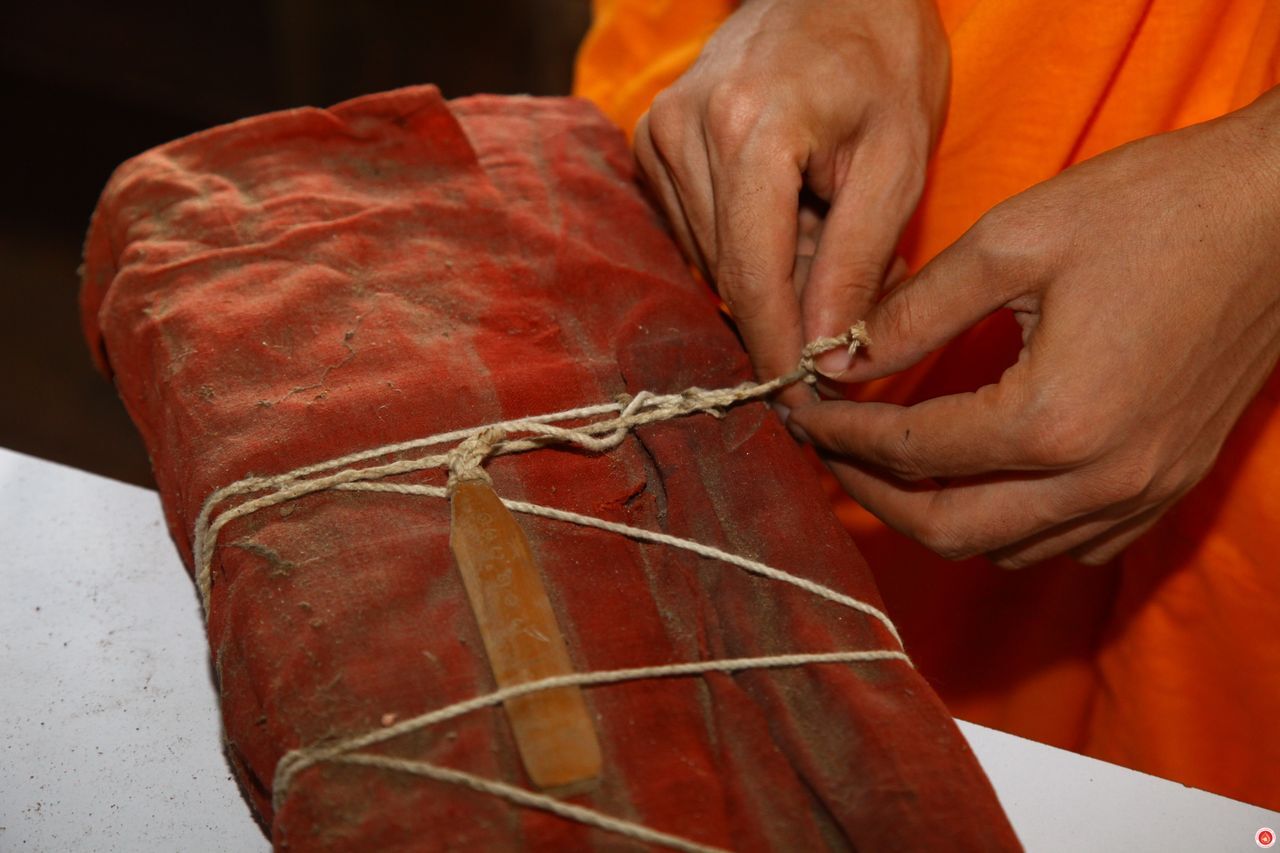
ตลอดหลายศตวรรษที่ผ่านมา บรรพชนของเราได้ทุ่มเทแรงกายแรงใจอย่างยิ่งในการจารึก ดูแลรักษา และสืบทอดคัมภีร์ใบลานเหล่านี้ จนกลายเป็นมรดกทางประวัติศาสตร์ วัฒนธรรม และศาสนาที่ทรงคุณค่าอย่างยิ่งต่อชาวโลก อย่างไรก็ตาม ด้วยกาลเวลา การเสื่อมสลายตามธรรมชาติ และความรู้ด้านการอนุรักษ์ที่มีอยู่อย่างจำกัด ส่งผลให้คัมภีร์จำนวนมากค่อย ๆ สูญหายไป ในปัจจุบัน มีเพียงบุคคลจำนวนน้อยเท่านั้นที่ยังคงมีความสามารถในการอ่าน อนุรักษ์ และนำคัมภีร์ใบลานเหล่านี้มาใช้ประโยชน์ได้อย่างถูกต้อง
วัดพระธรรมกายจึงได้ริเริ่มโครงการพระไตรปิฎกฉบับธรรมชัย ขึ้นในปี พ.ศ. 2553 เพื่ออนุรักษ์คัมภีร์ใบลานจำนวนหลายหมื่นผูกจากทุกสายจารีตหลักไว้เป็นมรดกธรรมของพระพุทธศาสนาให้แก่ชนรุ่นหลัง และยังเปิดโอกาสให้นักวิชาการด้านพระพุทธศาสนาจากทั่วโลกสามารถเข้าถึงฐานข้อมูลภาพคัมภีร์ใบลานผ่านระบบออนไลน์ได้อย่างสะดวก
อ่านเพิ่มเติม